
Artemis II launched in April 2026, and what an adventure it has been! From launch to splashdown (and beyond), here’s everything you need to know about Canada’s first trip to the Moon.
Days 1-5 (Journey to the Moon)
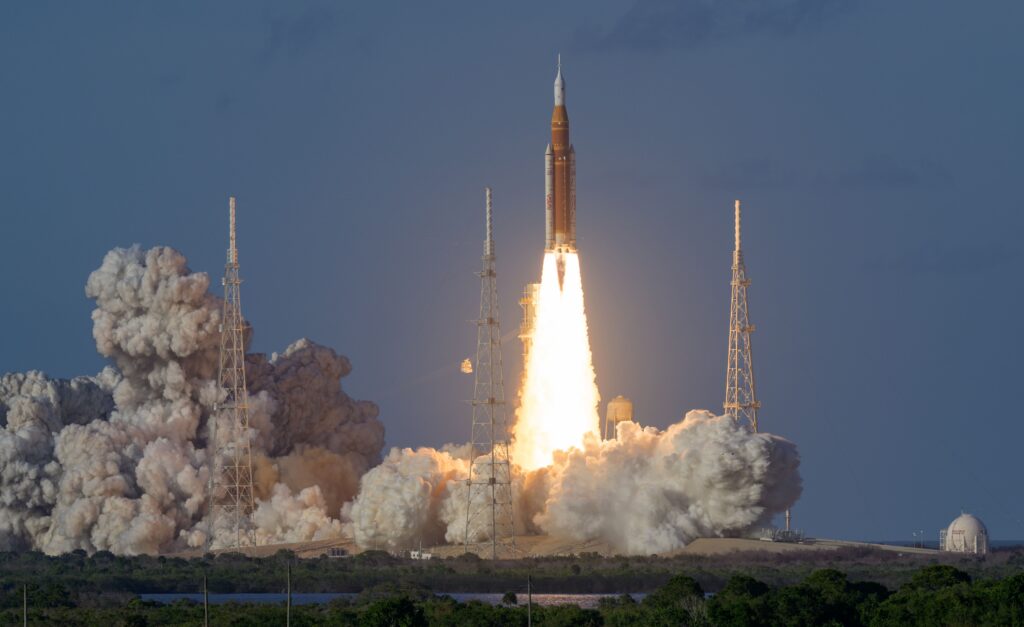
The mission began on April 1st, when the crew- Commander Reid Wiseman, Pilot Victor Glover, and Mission Specialists Christina Koch and Jeremy Hansen- blasted off from NASA’s Kennedy Space Center in Florida. The launch went off without a hitch, and here at the H.R. MacMillan Space Centre, it was a full house as we gathered to witness the moment together.
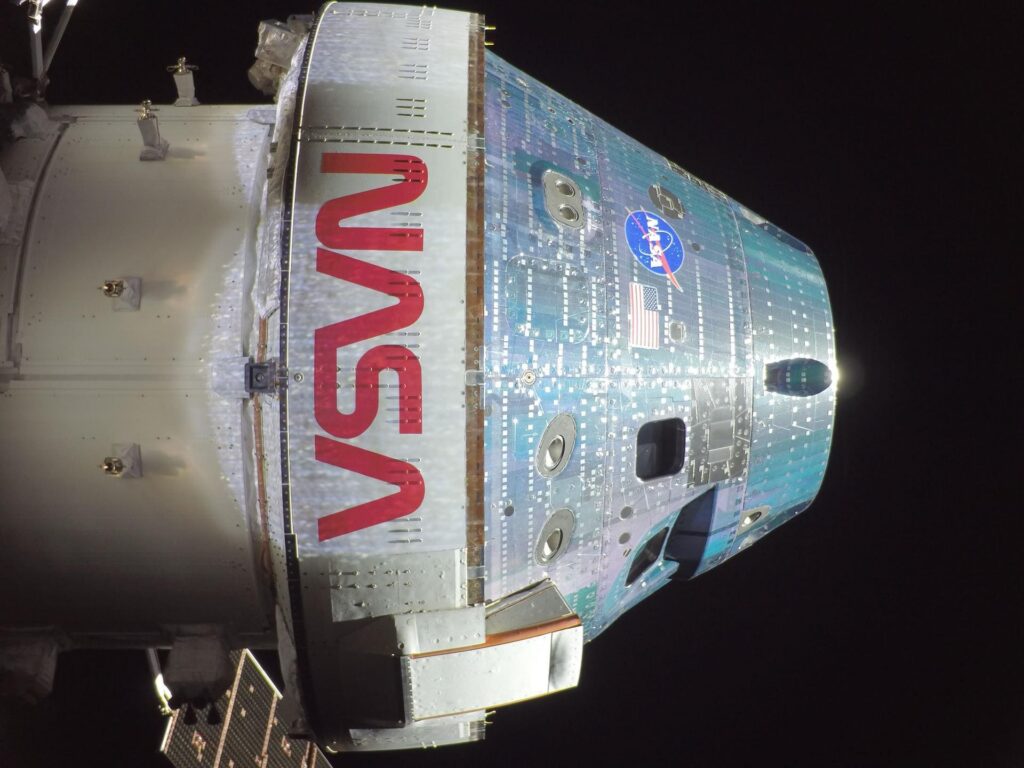
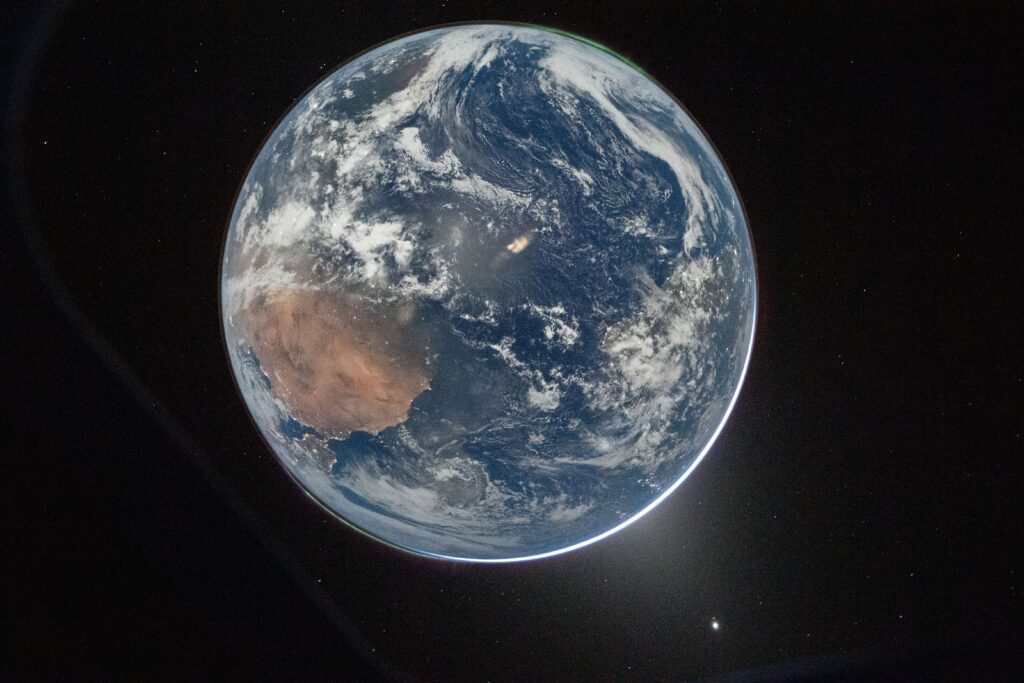
Upon leaving Earth’s atmosphere, the crew got to work testing and configuring the Orion spacecraft as they settled into the mission. Thankfully, the only hiccups were minor (a misbehaving toilet and some email issues)! With several precisely timed engine burns, the spacecraft was soon set firmly on its trajectory toward the Moon.

Day 6 (Lunar Flyby)
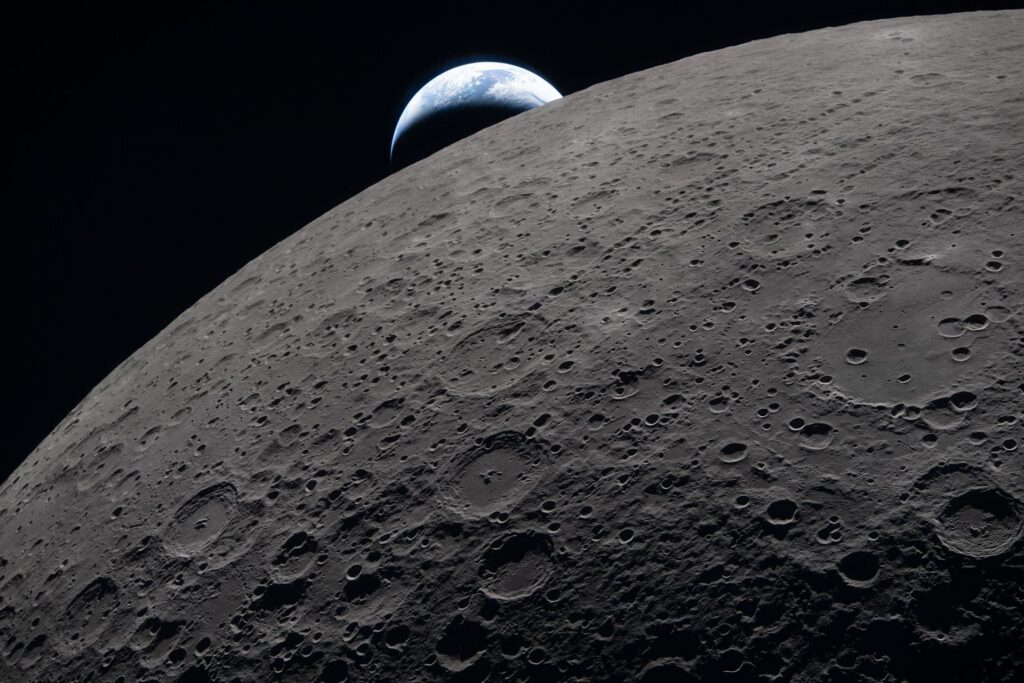
After a few days gliding through space, Artemis II reached its destination, and it was here that the real work began. Against the backdrop of breathtaking views of the lunar surface and our distant blue Earth, the crew conducted scientific observations, captured imagery, and recorded valuable data. One of the most extraordinary moments came in the form of a private solar eclipse, visible only to those four astronauts as the Moon blocked the Sun from their vantage point. During their journey, the crew also set a new record for the greatest distance humans have traveled from Earth, at a staggering 406,771 kilometers.

But the mission wasn’t all science and milestones. Part of what made Artemis II so special was the emotional response felt by millions of people around the world as they connected with the crew and their experience. One especially touching moment came when Jeremy Hansen proposed naming two previously unnamed lunar craters: “Integrity,” a nod to the crew’s nickname for their spacecraft, and “Carroll,” in honor of Reid Wiseman’s late wife. This profoundly human moment- one of many across the 10-day trip- catapulted the crew of Artemis II firmly on the worldwide stage, as people across the globe became invested in their story.
Days 7-10
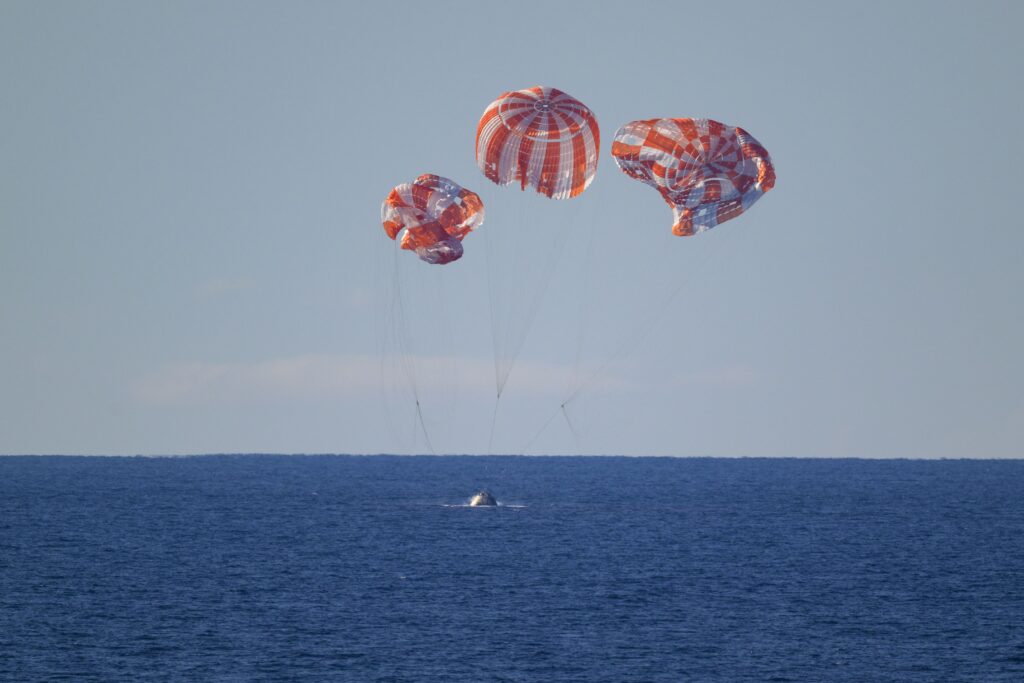
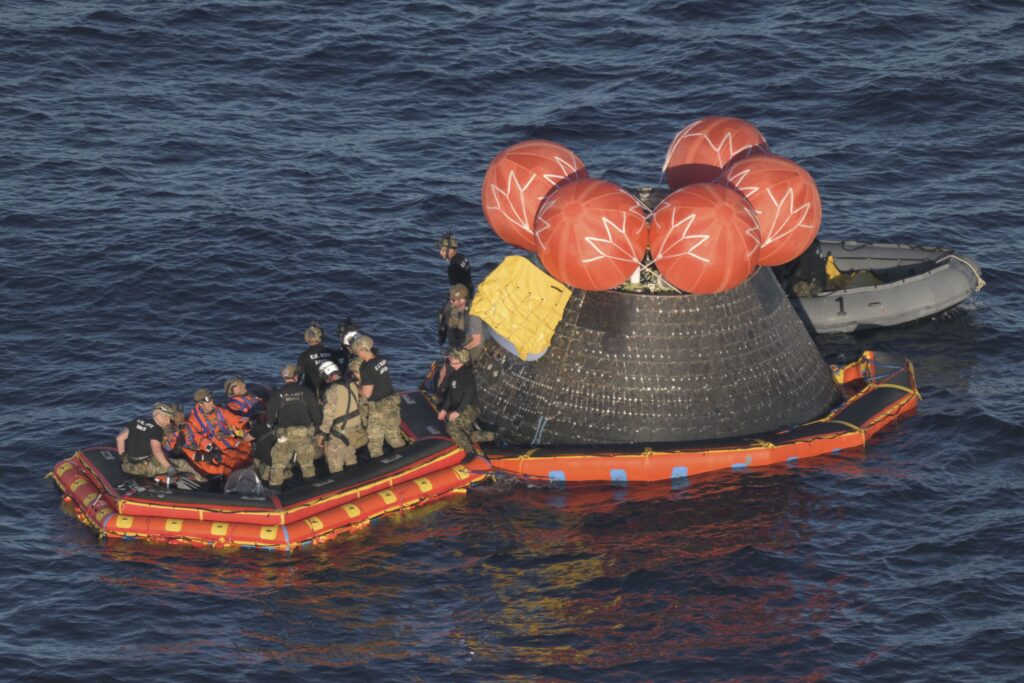
By day seven, with their lunar flyby complete, the crew turned their focus toward home. The final days were spent conducting additional tests and preparing for re-entry. Then, on April 10th, Orion returned to Earth, splashing down safely in the Pacific Ocean and bringing the mission to a successful close.
A cosmic perspective
So, what have we learned in the month since launch? For NASA and its partners, Artemis II was a resounding technical success. The mission demonstrated the capabilities of both the Space Launch System and the Orion spacecraft, reinforcing confidence in future missions, including a planned lunar landing with Artemis IV later this decade. Scientists were equally thrilled, with observations including the first recorded impact flashes on the Moon’s surface caused by meteoroids.
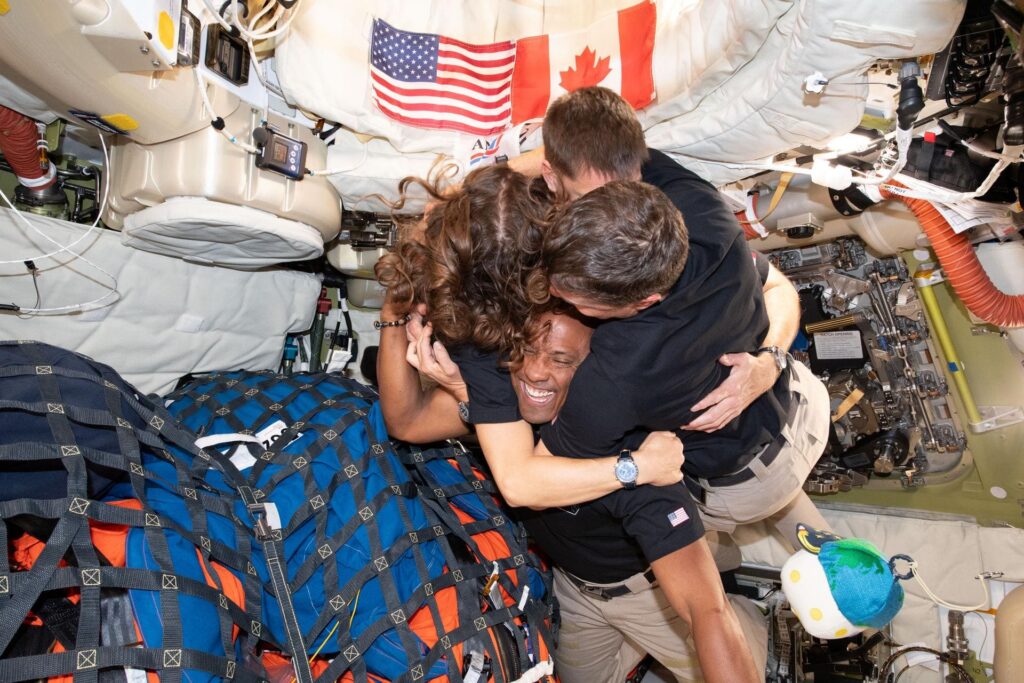
Yet arguably, the mission’s most far-reaching impact has been emotional. Through videos, photos, and candid conversations with mission control (and even friends aboard the International Space Station) the crew shared an authentic, human perspective of spaceflight. In doing so, they sparked a powerful sense of global unity. Psychologists call this feeling “collective effervescence”: a shared emotional experience that brings people together in moments of awe and inspiration.
Beyond Artemis II
In the weeks since their return, the crew has continued to share insights from the mission and its broader significance. It’s clear that Artemis II has not only advanced the technical goals of human spaceflight, but also offered a rare, personal view of life beyond Earth. With plenty of Artemis adventures on the horizon, the stage is certainly set for the missions to come.
This article is written by Dr. Rosanna Tilbrook, Astronomer at the H.R. MacMillan Space Centre.