Blog
Dive a little deeper into all things space!
Here, we share the latest news on space exploration, highlight groundbreaking missions, and dive into the science that fuels our curiosity about the cosmos. You’ll also find behind-the-scenes stories from the Space Centre, sneak peeks of upcoming events, and features that celebrate the people, technology, and ideas that make space exploration possible. Whether you’re a lifelong space enthusiast, a student with big questions, or simply curious about the universe around us, our blog is designed to spark wonder, inspire discovery, and bring the excitement of space closer to home.
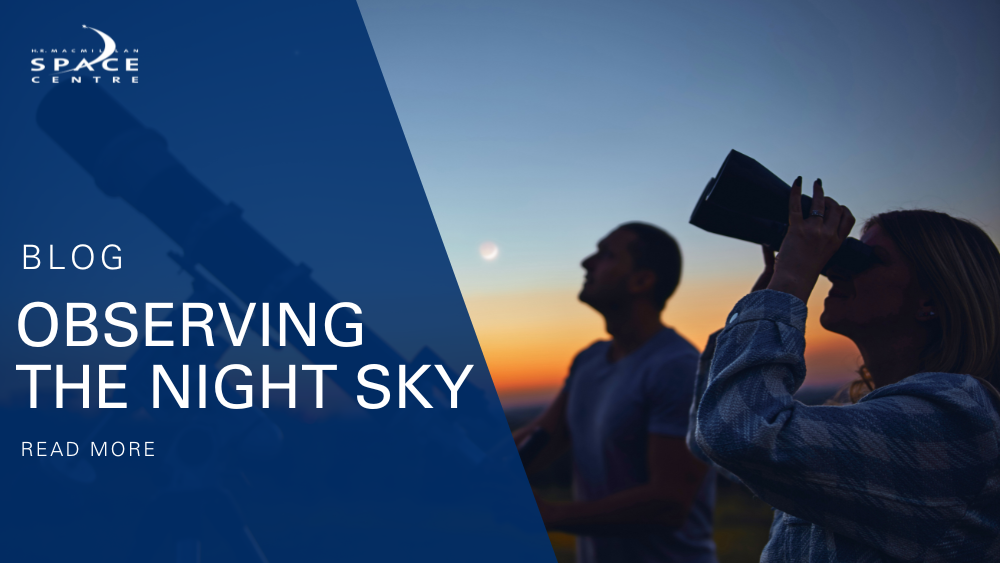
Observing the Night Sky
The nights have been getting longer, which means more time to observe the night sky. For this blog, I want to go through some helpful information on observing the night sky, which answered questions that I had when I first started observing, and will answer what others have asked me.
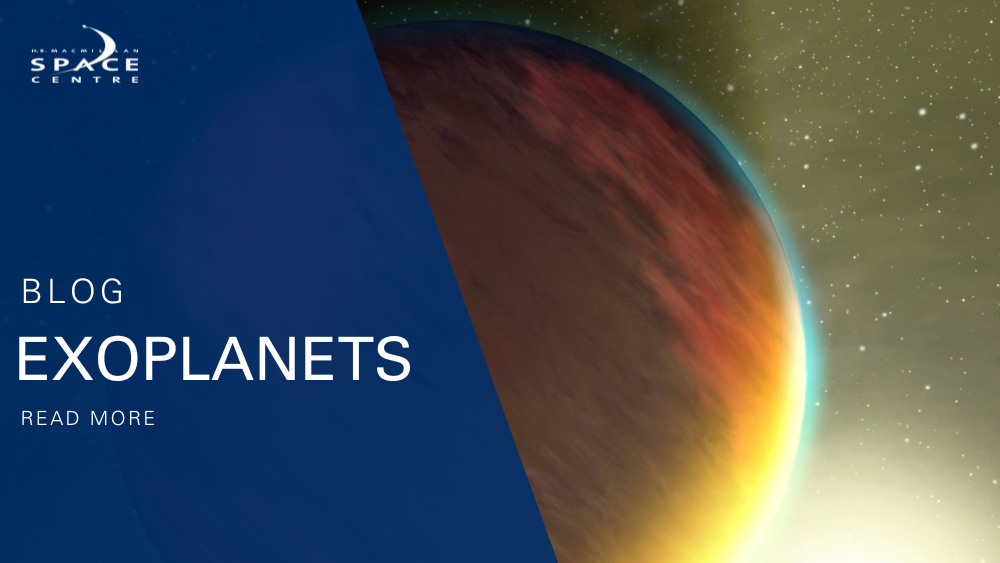
Exoplanets
Our theme for the month of August is Exoplanets, planets outside of our Solar System. In March, the number of confirmed exoplanets climbed past 5000, and there are nearly 9000 waiting to be confirmed as exoplanets. To commemorate this milestone, I thought we could take a look at the history, and the future, of exoplanet research.
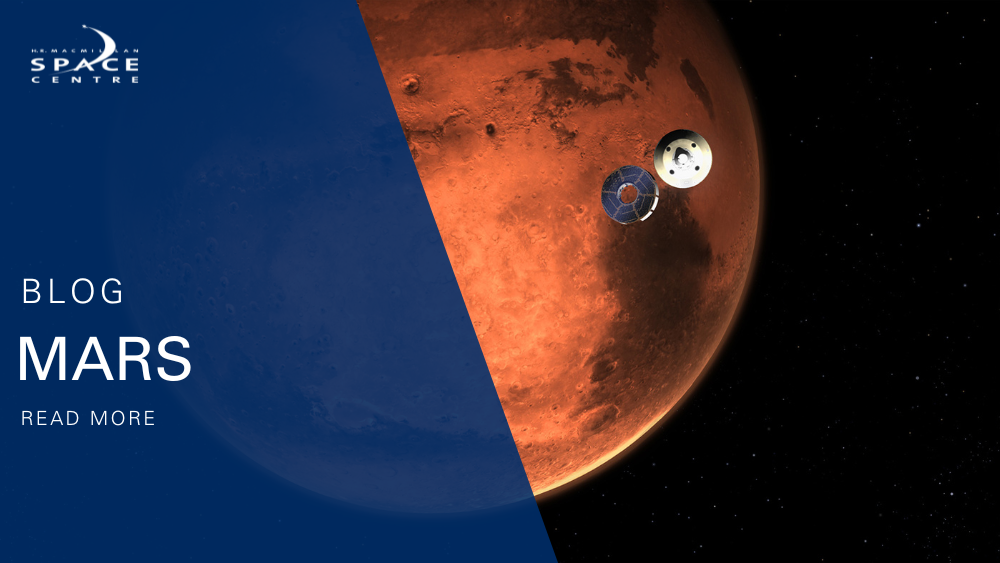
Mars
Our theme this month is Mars, and as we head into the Martian winter, I wanted to check in on missions new and old – and take a look at the future.
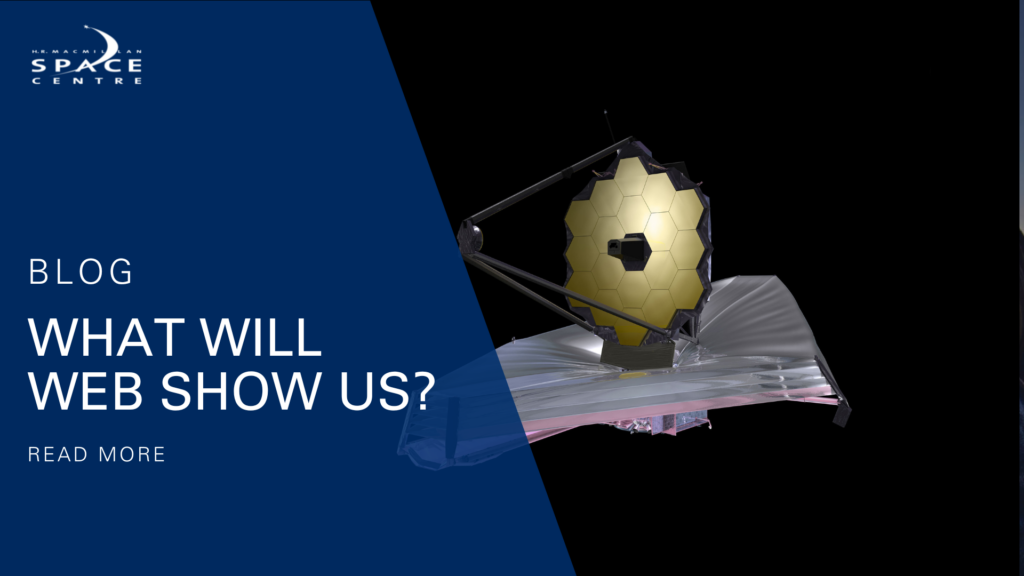
What will Webb Show Us?
We’ve been through quite a journey with JWST. After surviving a cancellation attempt in November 2011, and going through multiple launch delays (five in 2021 alone!), the telescope is about to conduct science operations. More than 11,000 hours of observations are set to go ahead as soon as the telescope is ready. To finish its commissioning period, JWST just needs to test 17 different modes across its instruments. You can see how many of them have been completed here.
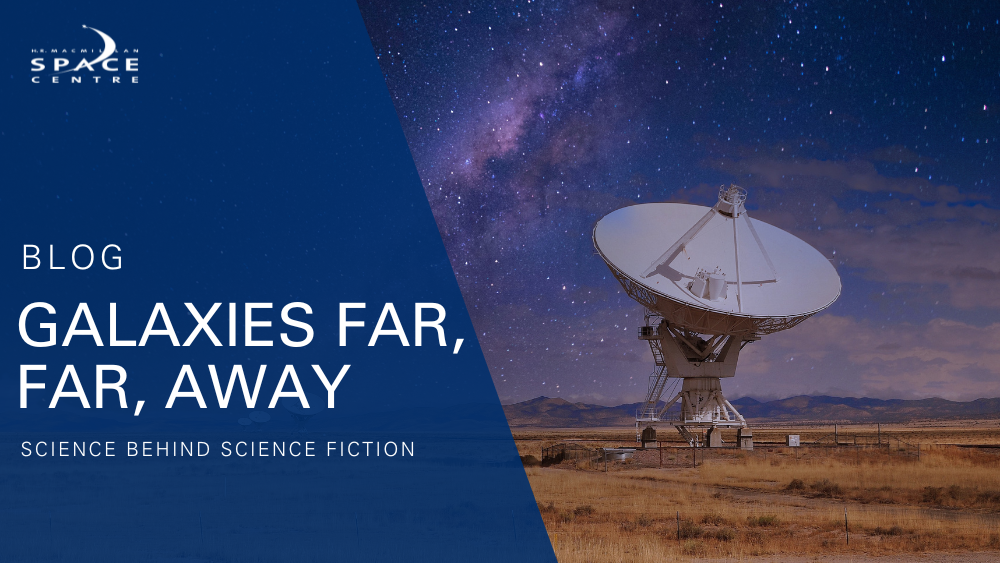
Galaxies Far, Far, Away: Science Behind Science Fiction
Our theme for the month of May is the science behind science fiction. I wanted to take this opportunity to talk about my favourite science fiction movie of call time: Contact. Some spoilers will follow!
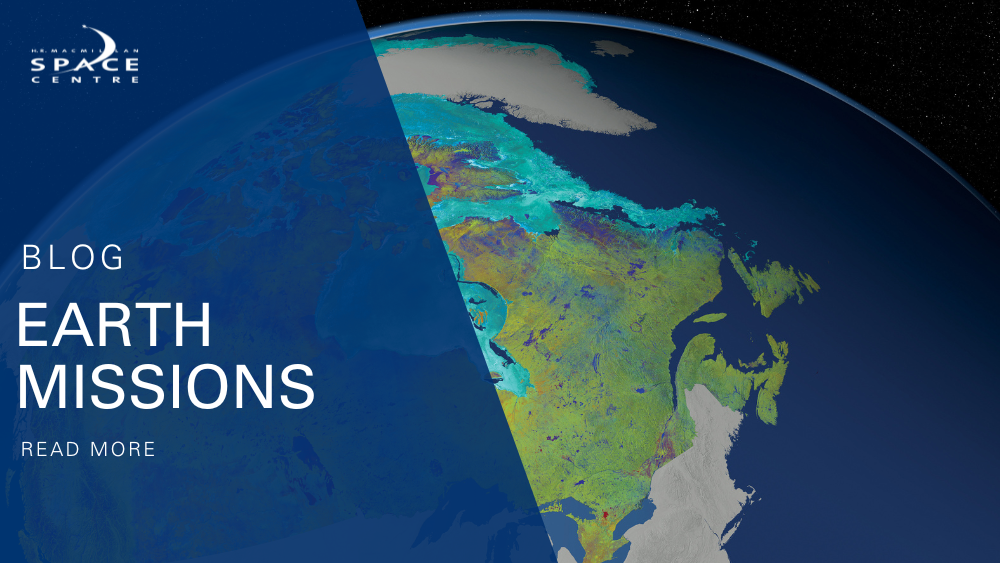
Earth Missions
Climate change impacts all aspects of life here on Earth, as all environments are interconnected. Scientists use orbiting satellites to study changes in Earth’s environments on a global scale and try to determine the trends due to climate change. The three missions I’m highlighting all look at the impacts of climate change in different areas: air, water and ice, and ecosystems.
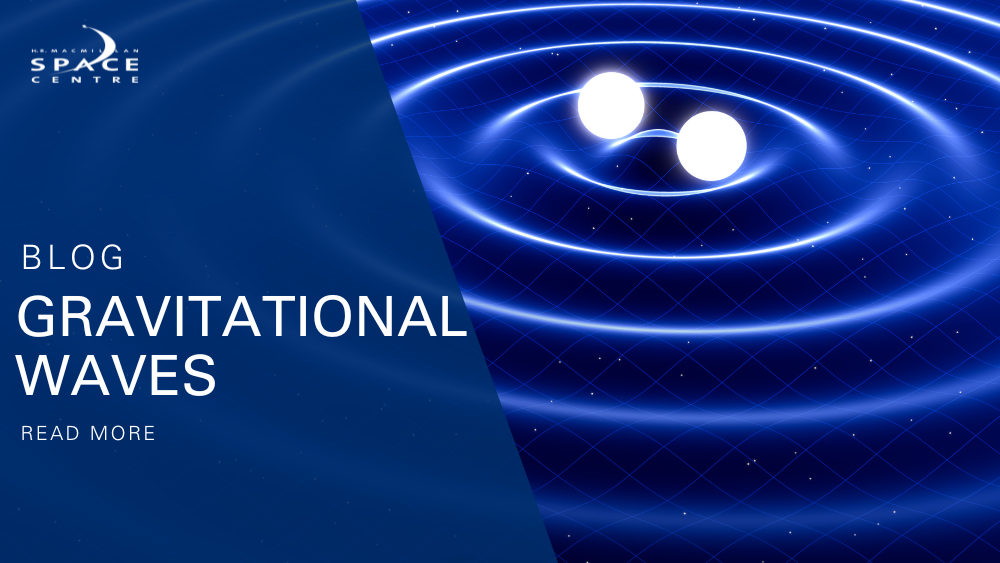
Gravitational Waves
Up until the first confirmed gravitational wave (GW) direct detection by LIGO/Virgo in 2015, researchers have relied almost exclusively on electromagnetic (EM) radiation (i.e. light) to study our universe. These ‘messengers’ carry different but complementary information, pioneering the growing field of multi-messenger astronomy.
Exoplanets
Imagine for a moment that you are an alien adventurer who has ventured far from home to explore our solar system (though you, an extraterrestrial, would call it an exosystem). You were sent by your species on a mission to investigate the worlds of this system – to find out if these environments are suitable for life, and if they host intelligent lifeforms. You, being an alien, a foreigner, want to avoid accidentally contaminating our planets, so you’ve been given strict instructions not to land. Instead, you may only observe them from afar and make whatever inferences you can.
Seeing The Visible and The Invisible
How are we able to get photos of worlds beyond our own? Stunning pictures of Jupiter, the Sun, and even a photograph of a black hole? There are different methods depending on what you want to see, but it always comes back to understanding two things: photons and electrons.
James Webb Space Telescope: The Background
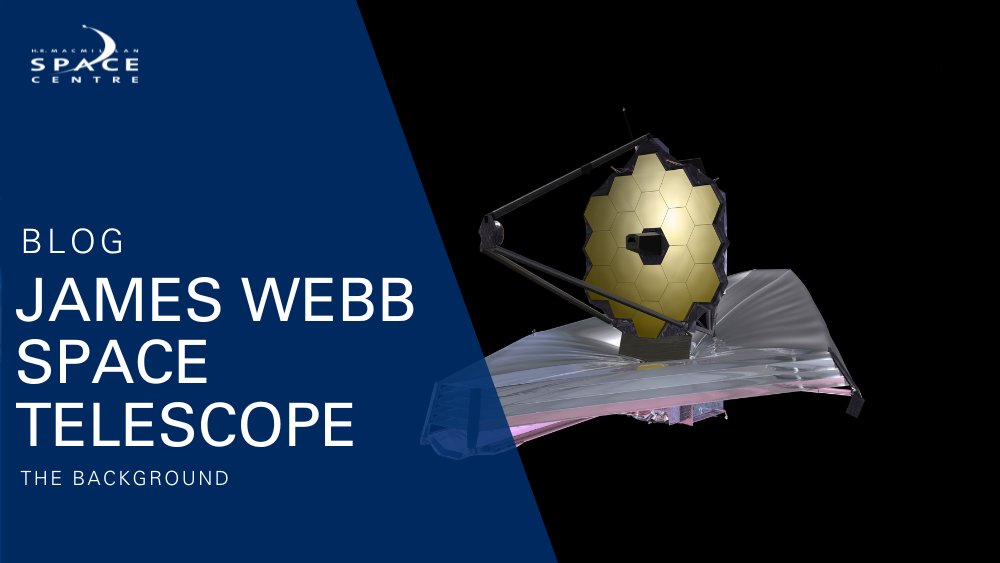
In a little over a month, and barring any last-minute complications, the James Webb Space Telescope (JWST) will launch on December 18th. In this blog post I want to talk a little bit about the journey to get to launch day.